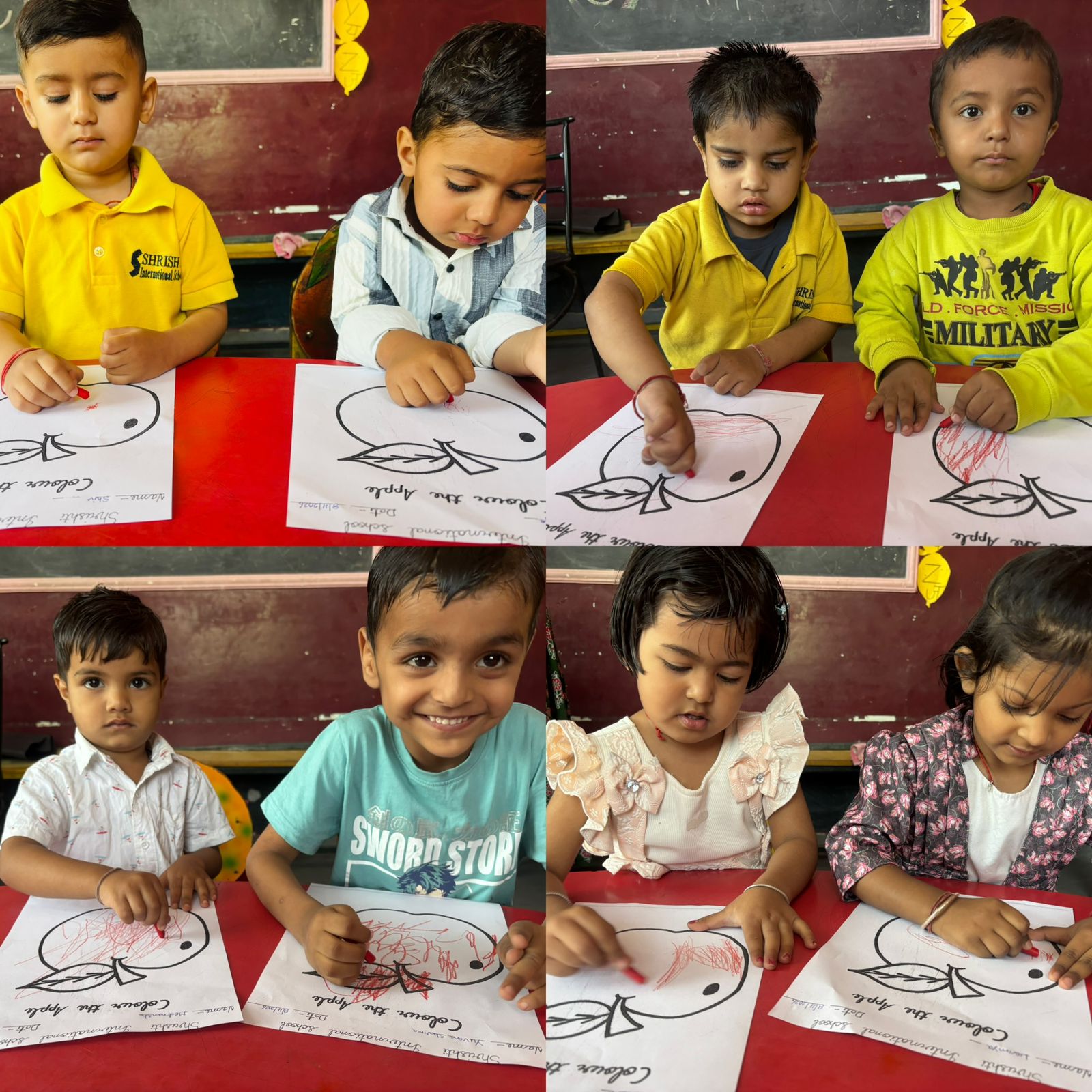

Walk into a truly engaging classroom, and you’ll notice something different right away—students aren’t just sitting quietly, copying notes from the board, but actively participating, discussing ideas, working together, and sometimes even struggling through challenges, and that is exactly where real learning begins.
In today’s fast-changing world, simply knowing the right answers is no longer enough; what truly matters is the ability to think critically, apply knowledge in real situations, and adapt to new problems, and this is where learning by doing becomes incredibly important. When students are involved in projects, presentations, group discussions, and hands-on activities, they don’t just memorize concepts for exams, they actually understand them at a deeper level because they experience how those ideas work in real life.
This kind of environment naturally helps students develop important life skills—communication improves as they express their thoughts, teamwork grows as they collaborate with others, and confidence builds as they take initiative and share their ideas without fear. At the same time, such learning spaces also teach students that making mistakes is not something to be afraid of but something to learn from, because every failure becomes a step toward improvement, helping them become more resilient and self-aware.
Education, therefore, is slowly shifting from a system focused only on marks and memorization to one that prepares students for real-world challenges, where creativity, problem-solving, and adaptability matter just as much as academic knowledge. In the end, the purpose of a classroom should not just be to deliver information, but to create an environment where students grow into individuals who can think independently, act confidently, and thrive in whatever path they choose
Learning by Doing: Why Classrooms Must Feel Like Real Life